Most CPG brand managers ask the same question before signing a college Brand Ambassador contract: how do we prove this worked?
It is a fair question. Campus marketing has carried a reputation for being hard to measure: students hand out samples, take some photos, post on social media, and the program ends with a stack of impressions that rarely tie back to retail movement. That reputation is outdated. Modern Brand Ambassador programs can be measured at three distinct layers, and brand managers should expect a vendor to deliver data at every layer before they sign.
The three layers of measurement that matter
Every well-run college Brand Ambassador program should produce data across three layers. Skip any one and the program becomes a marketing expense without a measurable outcome.
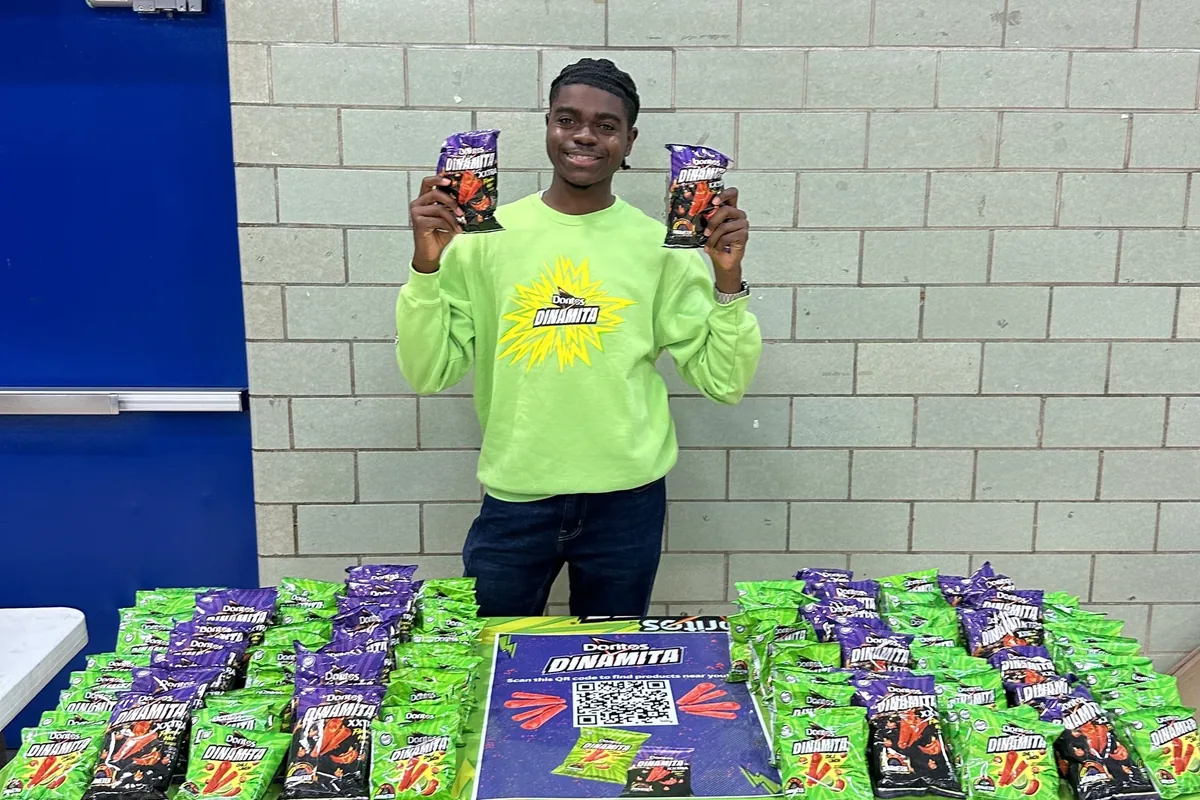
The first layer is trial volume. How many physical product samples were distributed, through what events, on which campuses, by which Ambassadors. This is the floor. A vendor that cannot give you a week-by-week trial count is not running a program, they are running an activity.
The second layer is purchase intent. Trial without intent data is exposure with no signal. The Nielsen finding that 81% of consumers are more likely to purchase a product after trying it firsthand is widely cited, but the more useful number is what percentage of the students who tried your product on a specific campus said they would buy it within 30 days. That number, captured at the point of trial, is the difference between a sampling expense and a measurable demand-generation program.
The third layer is social and earned attribution. Every Ambassador who posts content with your product on their personal channels gives you a measurable layer of reach inside their network. Research suggests leads generated through brand ambassador interactions convert at rates 2.5 times higher than those from traditional advertising, and 87% of consumers trust recommendations from brand representatives they meet in person. None of that data is useful unless it is tracked and tied back to the program.
What brand managers should ask before signing
The simplest way to evaluate a college Brand Ambassador vendor is to ask three questions and listen for specifics.
How do you capture purchase intent at the point of trial? A vendor without an answer here is selling sampling, not measurement. EvolveZ captures purchase intent through structured Ambassador-led conversations and survey instruments deployed at sampling events. Each sample is paired with a survey that produces usable data points determining awareness, consideration, and purchase intent.
What does your weekly reporting look like? Ask to see a sample report from a recent program. If it is a slide deck of photos and impressions estimates, that is a sign of a program optimized for the agency's deliverable list, not the brand's outcomes. Real reporting should include sample counts, event overview, purchase intent data, social content metrics, and general campus trends and feedback.
How do you handle compliance and verification? Trial counts are only useful if they are real. EvolveZ verifies sample distribution through photo and video documentation from each event, plus Ambassador-level reporting reviewed weekly. Large CPG brands that audit their vendors expect this rigor as the baseline, not the upsell.
Why measurement matters more for Gen Z than any prior cohort
The case for measurement is sharper for Gen Z than it has been for any prior consumer group. Brand loyalty research from SAP Engagement Cloud found 43% of Gen Z shoppers buy products purely because they are trending on social media, and 64% say they are loyal to products, not brands. The window to convert trial into preference is shorter, and the measurement bar for proving you caught that window is higher.
The brands that win on campus are not the brands that distribute the most samples. They are the brands that capture intent at the moment of trial, then convert that intent into a documented social signal within 48 hours. Without measurement, you cannot tell the difference between an Ambassador who handed out 200 samples and an Ambassador who handed out 200 samples and converted 60 of those students into future buyers.
What measurement looks like inside an EvolveZ program
EvolveZ operates as a managed Brand Ambassador partner for large CPG brands. Programs are designed from the start with three deliverables in mind: trial at scale, attribution at the point of trial, and verified content that closes the social attribution loop.
For each program, we deliver weekly reporting that includes campus-by-campus sample distribution, intent capture rates, content output, and surfaced anomalies (campuses underperforming, Ambassadors exceeding goals, etc).
Brand managers should expect this level of rigor from any agency running a campus program. If you are evaluating vendors and the answer to "how do you measure this" is a list of impressions, keep looking.
Ready to run a program with measurement built in
EvolveZ runs college Brand Ambassador programs for large CPG brands that need both reach and proof. Our programs combine Ambassador-led sampling at scale, purchase intent capture at every event, and verified social attribution.